The Birds of Eyjafjörður

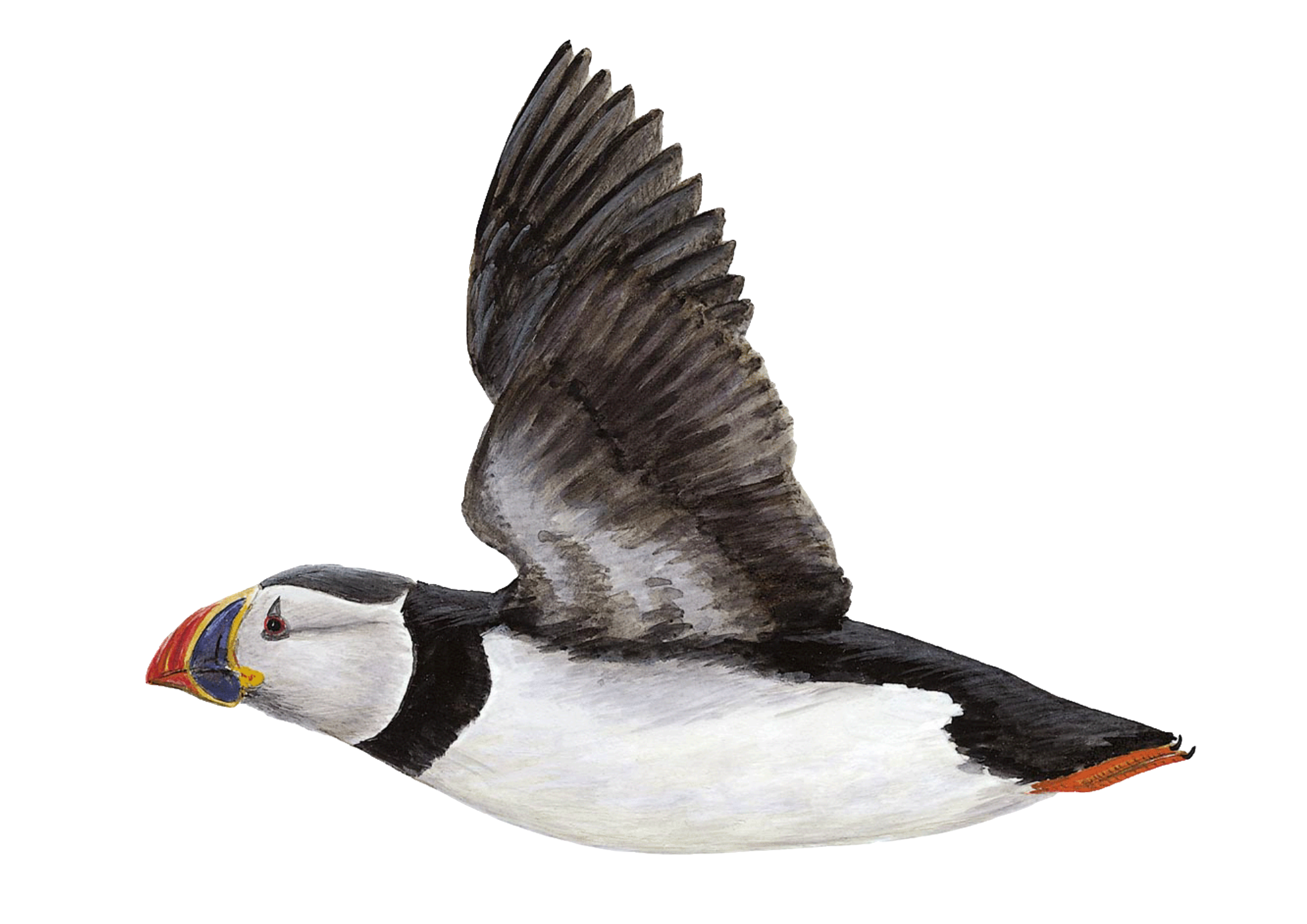
Atlantic Puffin
The Atlantic Puffin is a stocky seabird with a large head, a colourful yellow, red and blue beak, and bright orange legs. Found only in the North Atlantic, Iceland is an important breeding ground, attracting up to 40% of the world’s puffin population each year.
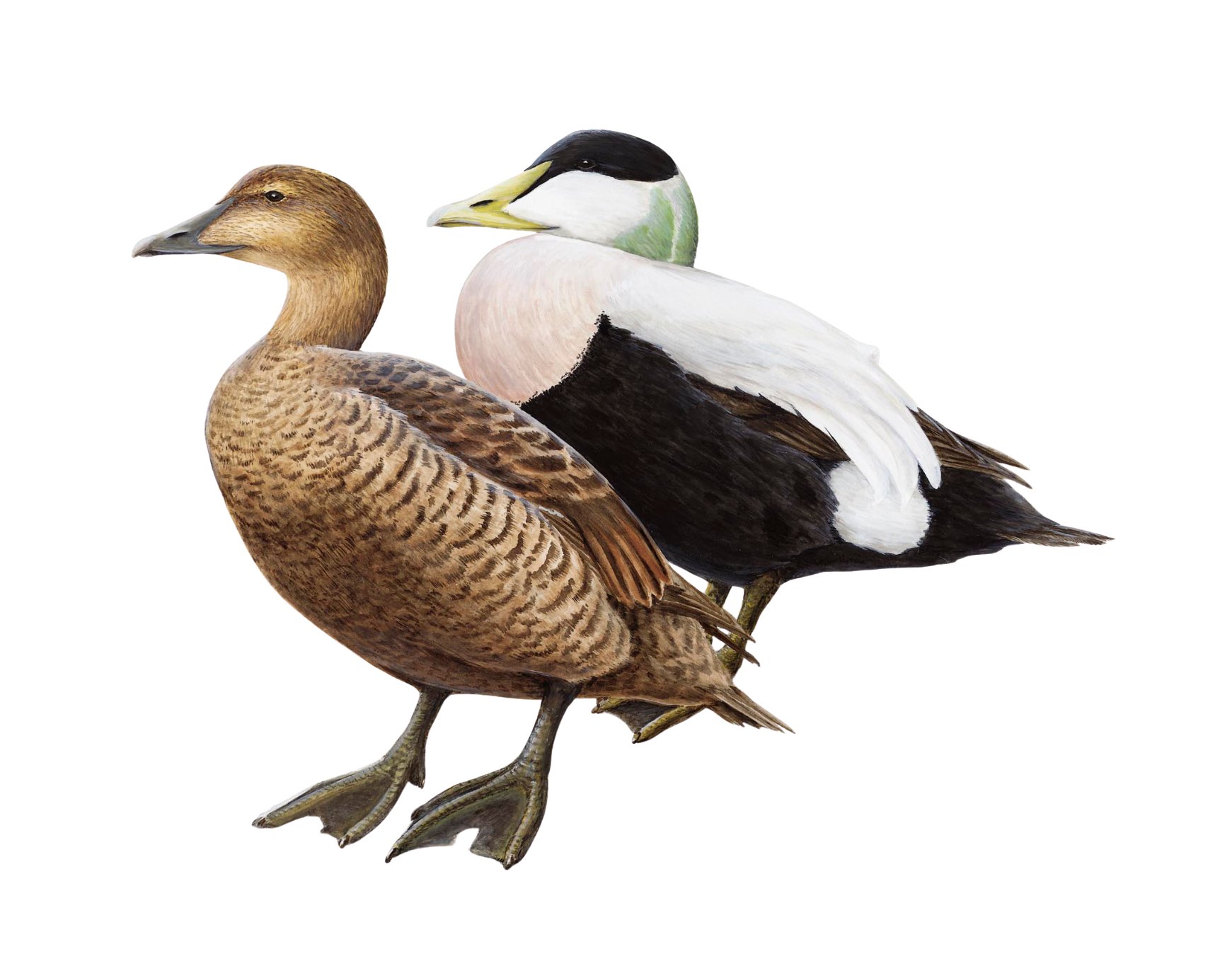
Eider Duck
The Common Eider is a large sea duck with a distinctive wedge-shaped head and a broad, slightly rounded bill. Males have striking black-and-white plumage with a pale green patch on the neck, while females are warm brown. Found across northern coastal regions, Iceland is an important breeding ground.
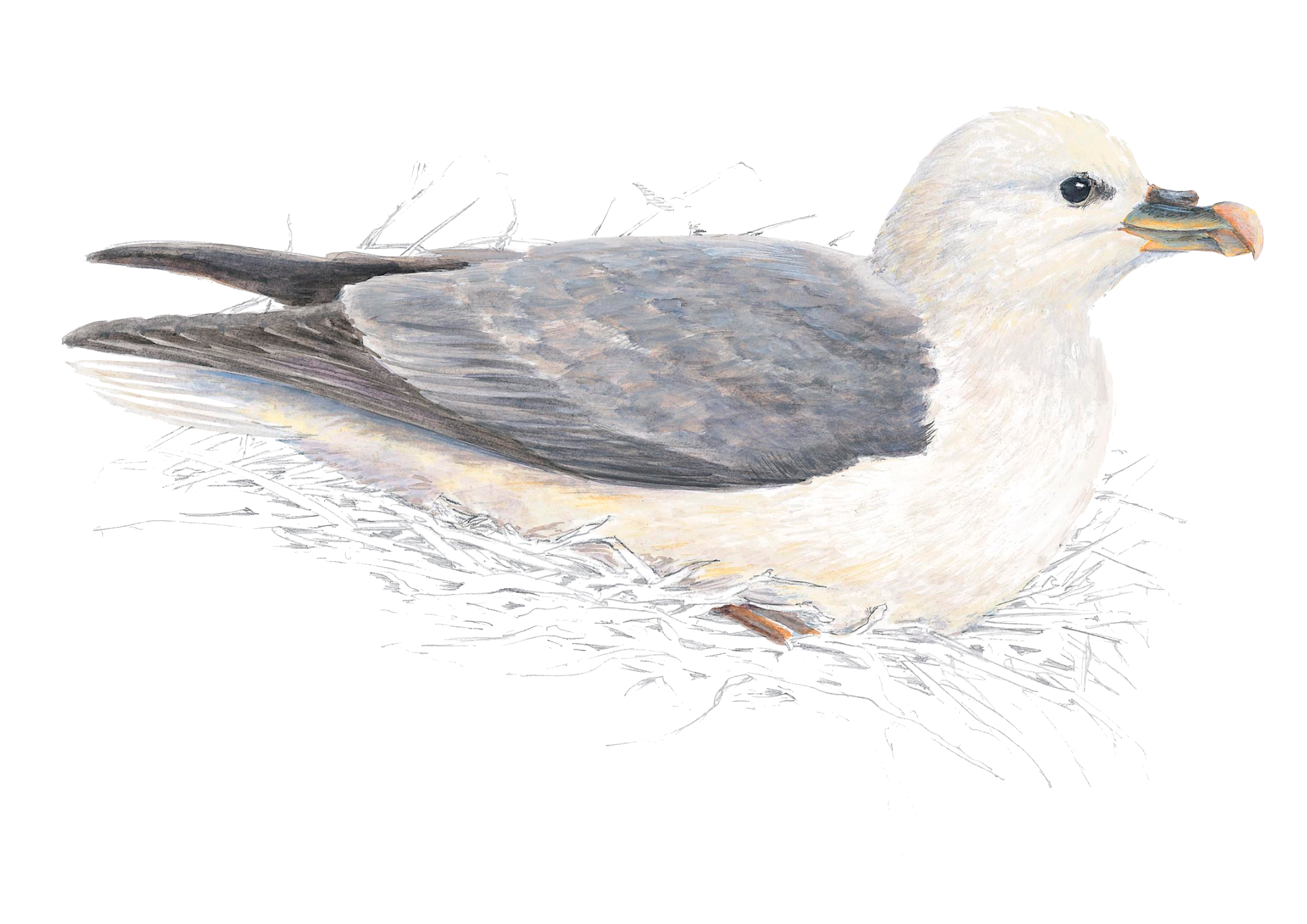
Northern Fulmar
The Northern Fulmar is a seabird with a sturdy body, long wings, and a short, thick bill with a distinctive tubular nostril. Found across the North Atlantic and North Pacific, it is a common breeding bird in Iceland, where large colonies nest along the country’s dramatic cliffs.
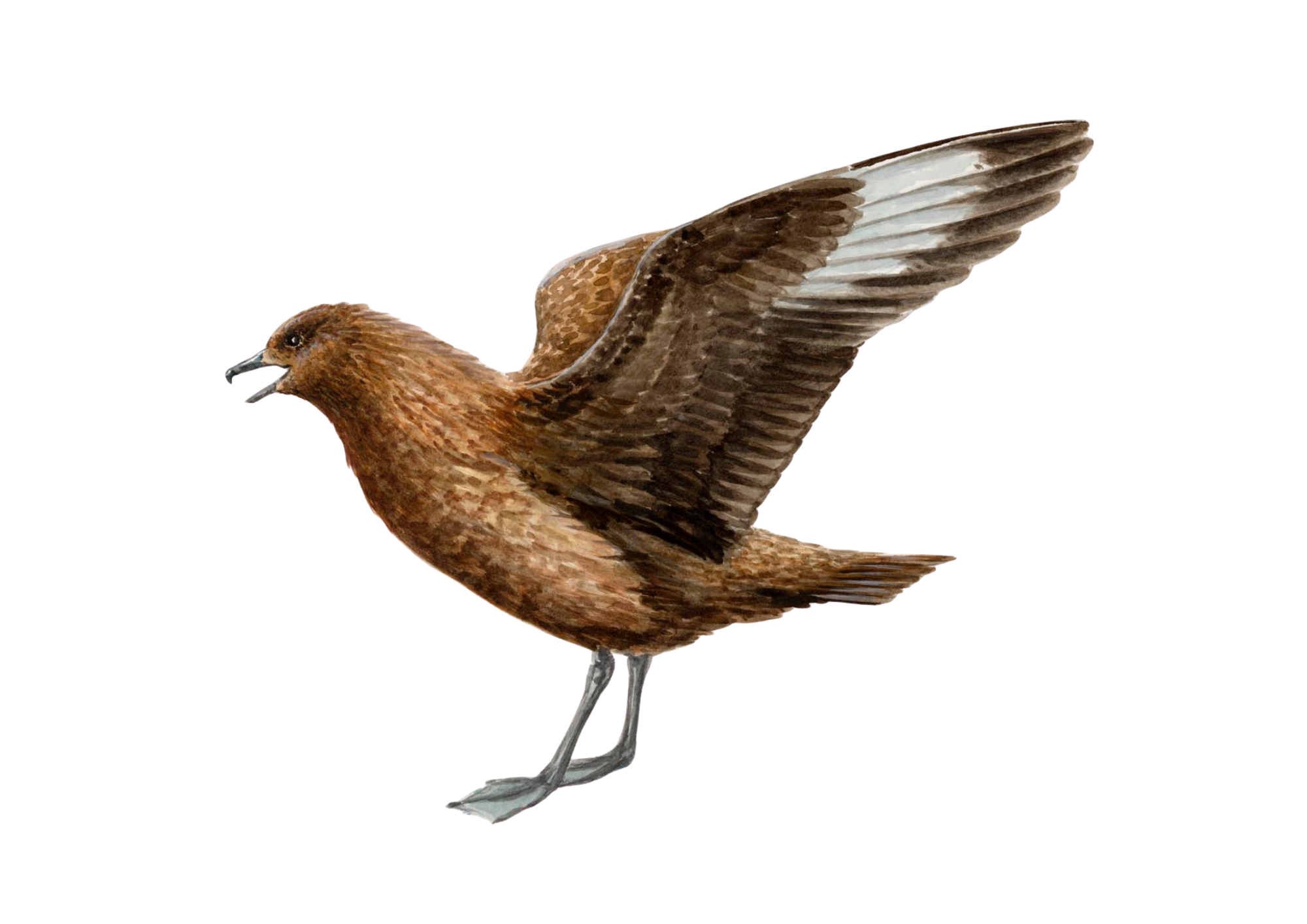
Great Skua
The Great Skua is a large, powerful seabird with dark brown plumage, broad wings, and a strong, hooked bill. Found across the North Atlantic, it is a fierce and opportunistic predator that feeds on fish, seabirds, and carrion. Iceland is an important breeding ground for the species.
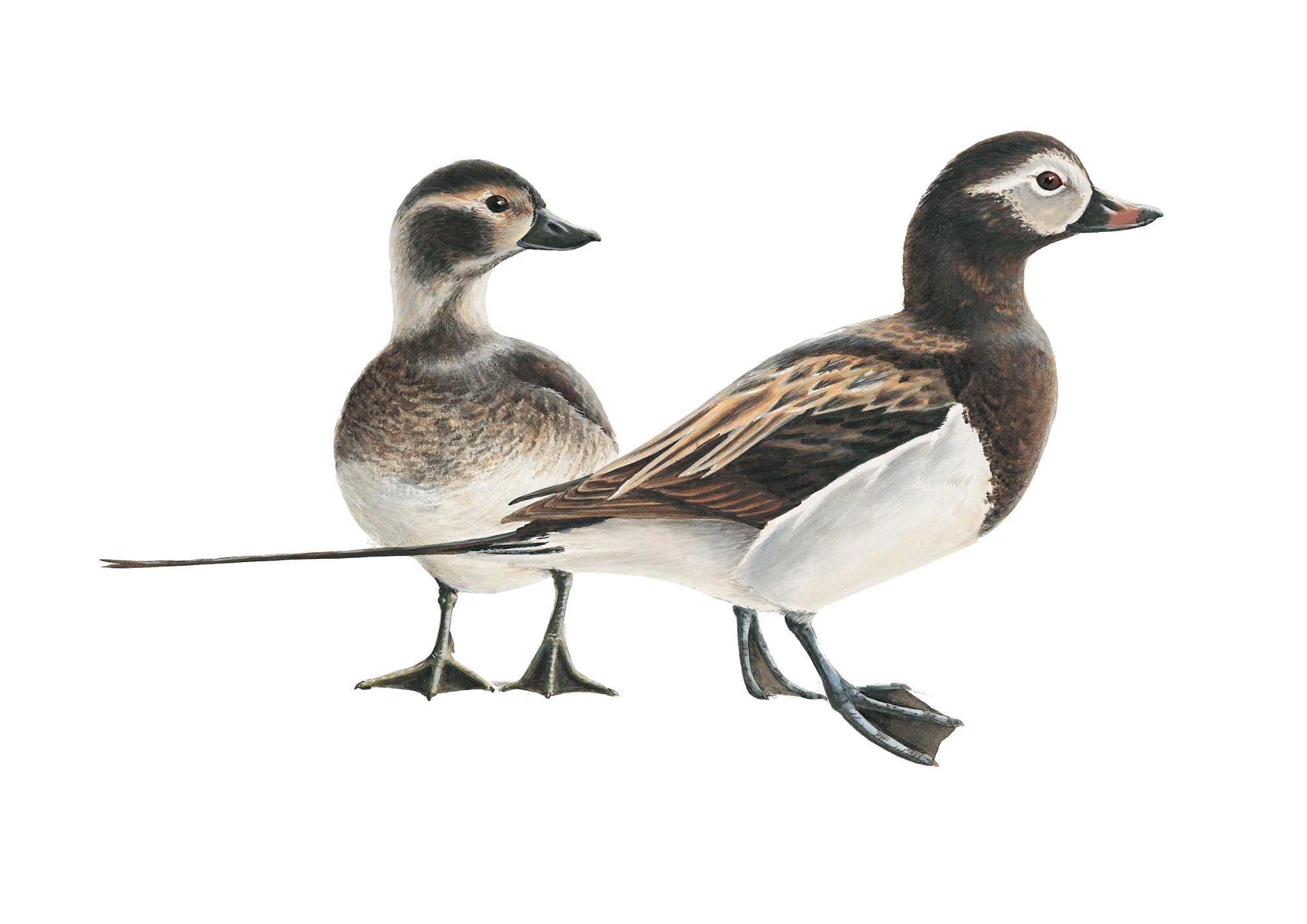
Long-Tailed Duck
The Long-tailed Duck is a small, graceful sea duck with a distinctive long, pointed tail and a colourful, patterned plumage that changes with the seasons. Found across the Arctic and northern coastal regions, it breeds in Iceland’s lakes and wetlands during the summer and can be seen along the country’s coastlines in winter.
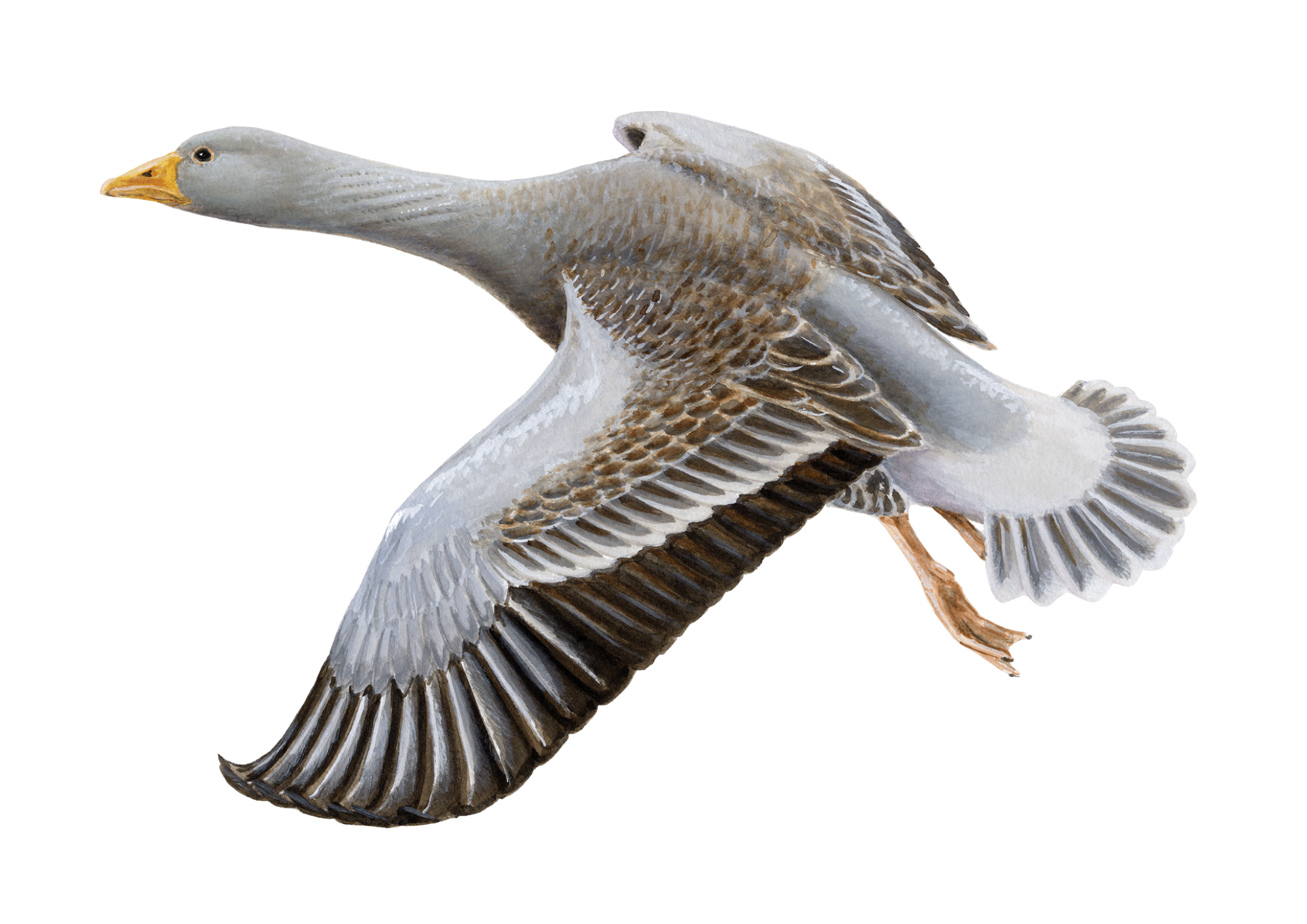
Greylag Goose
The Greylag Goose is a large, sturdy waterbird with pale grey-brown plumage, a thick orange-pink bill, and pink legs. Found across Europe and parts of Asia, it is a familiar sight in Iceland, where large numbers breed around lakes, wetlands, and coastal areas during the summer.
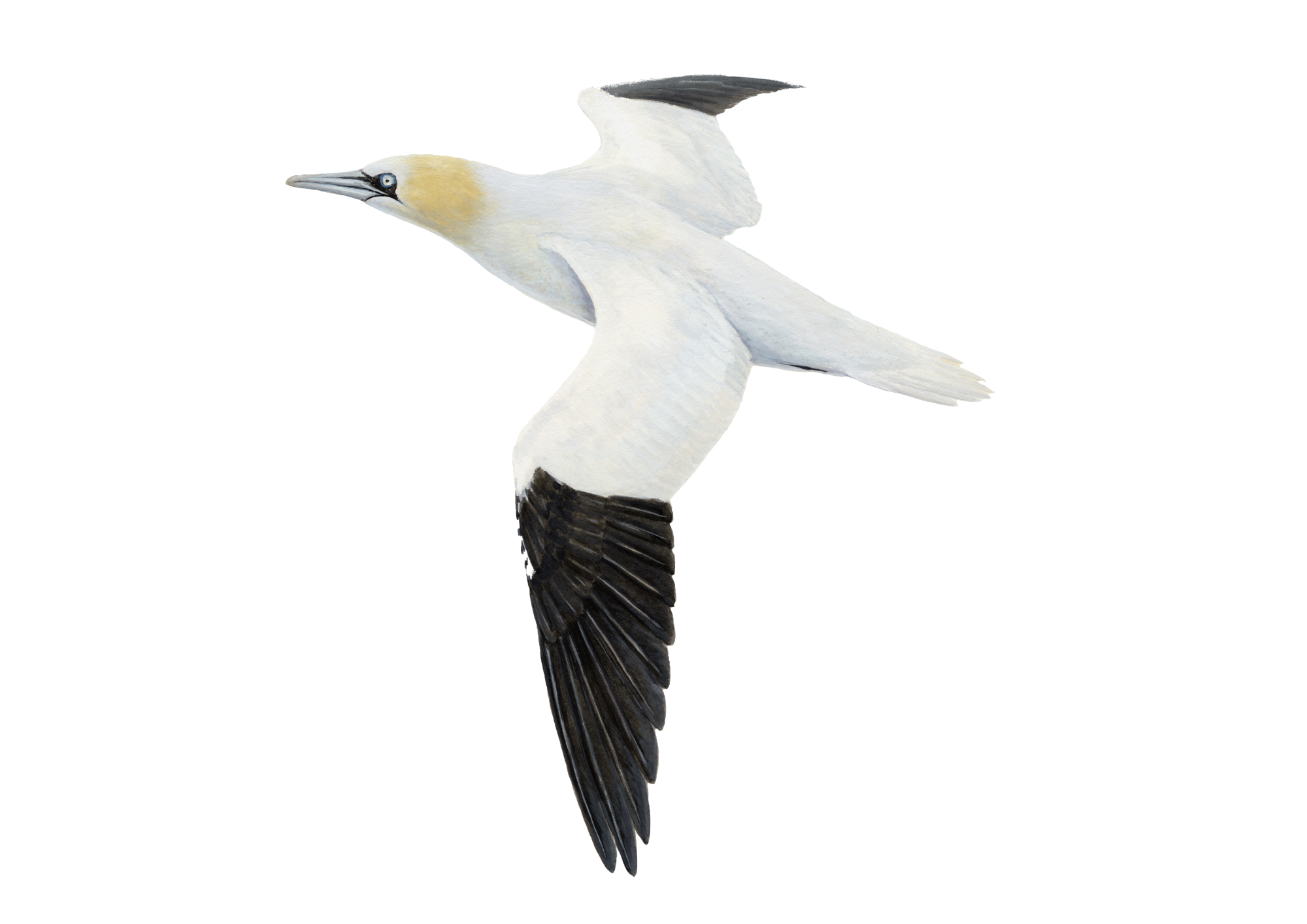
Northern Gannet
The Northern Gannet is a large seabird with striking white plumage, black-tipped wings, a long pointed bill, and a yellow-orange head. Found only in the North Atlantic, it is known for its spectacular high-speed dives into the sea to catch fish. Iceland is home to one of the world’s largest gannet colonies.
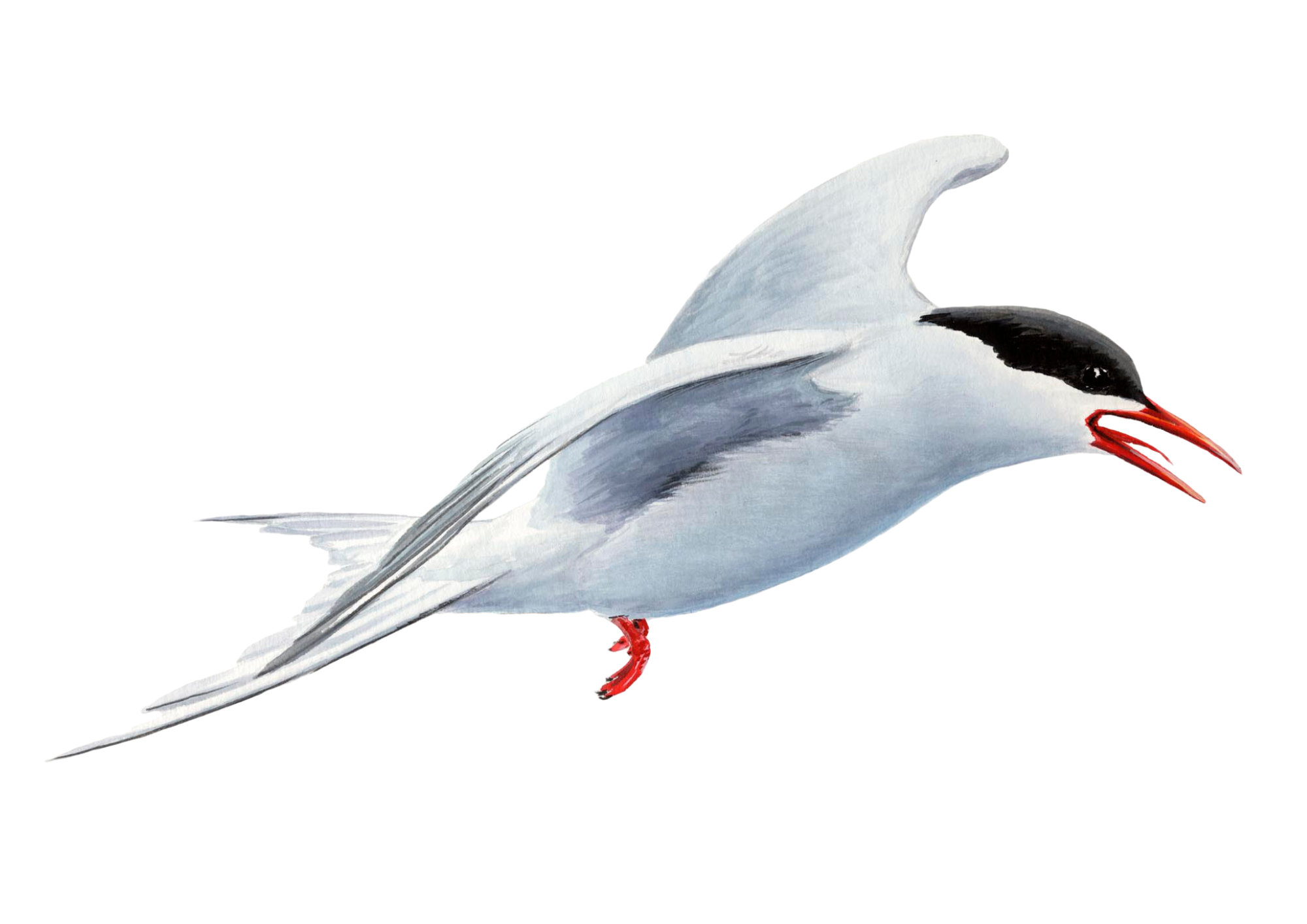
Arctic Tern
The Arctic Tern is a slender seabird with pale grey plumage, a black cap, a bright red bill, and a deeply forked tail. Famous for its incredible migrations between the Arctic and Antarctic, it travels farther each year than any other bird.
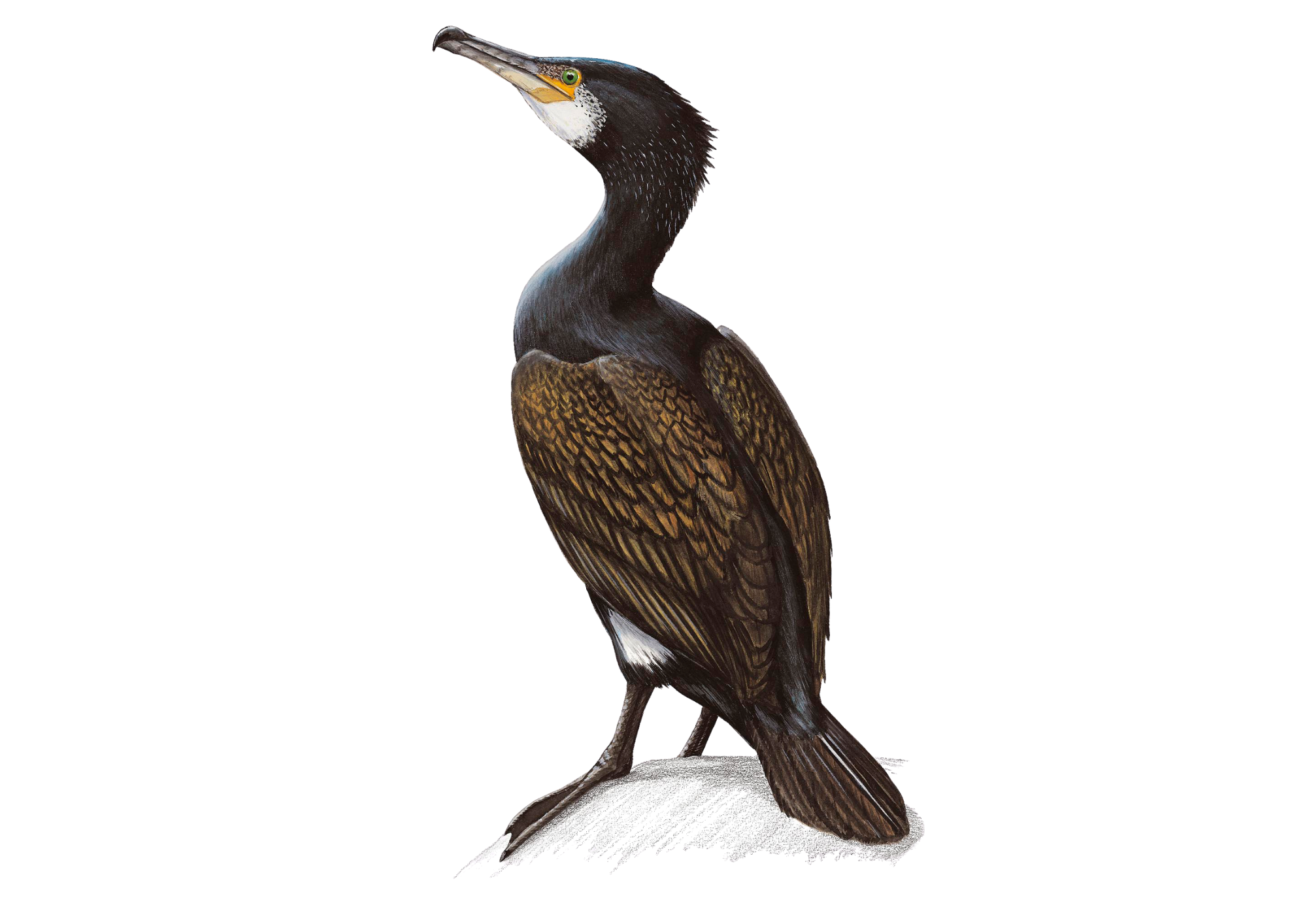
Great Cormorant
The Great Cormorant is a large, dark seabird with a long neck, broad wings, and a distinctive hooked bill. Found across coastal regions, lakes, and rivers of Europe, Asia, Africa, and Australasia, it is a common sight around Iceland’s rocky shores, where it feeds on fish and often nests in coastal colonies.
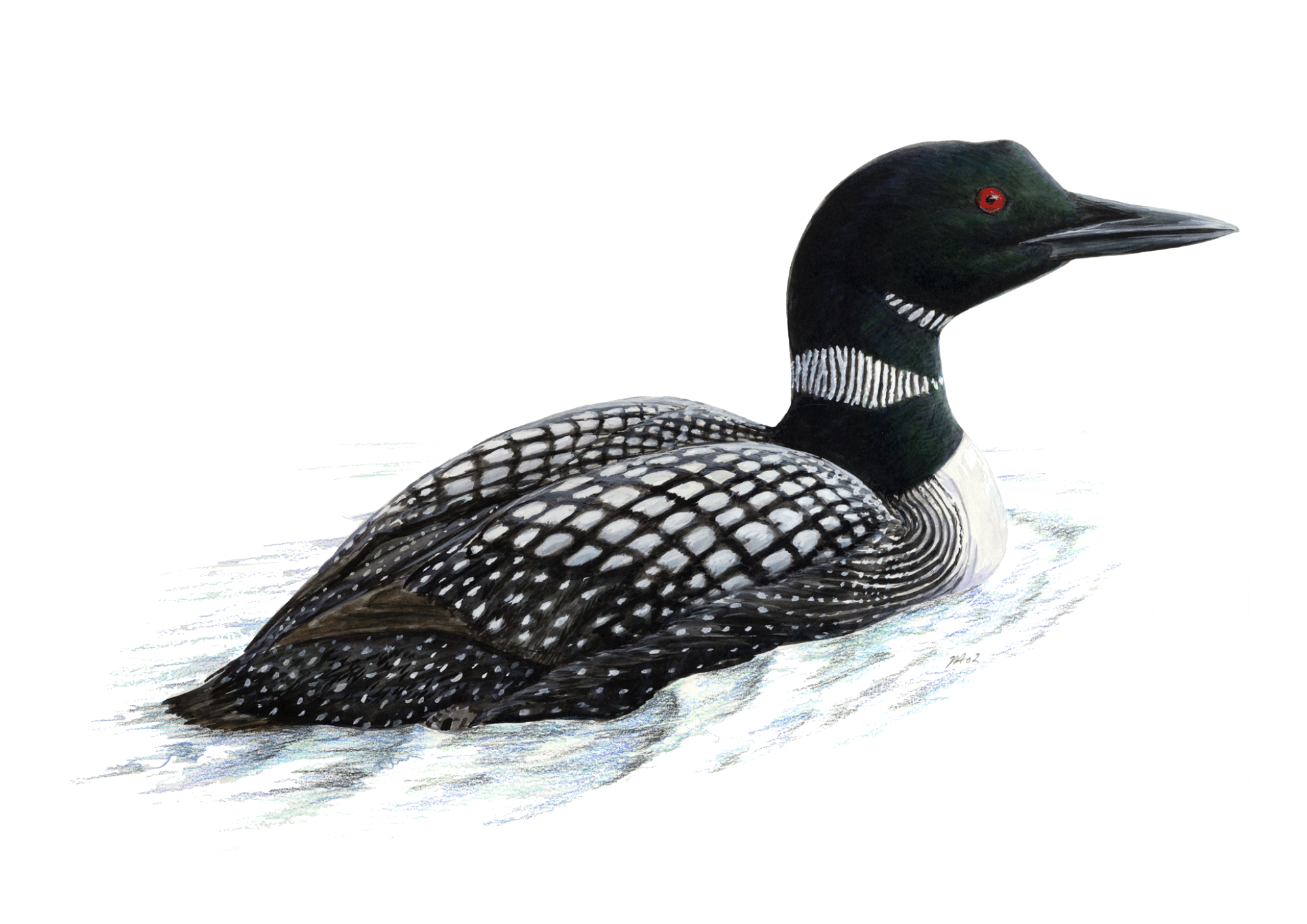
Great Northern Diver
The Great Northern Diver (or Common Loon) is a striking waterbird with dark, glossy plumage, a white-spotted back, a black-and-white patterned neck, and a long, pointed bill. Known for its haunting calls and excellent diving ability, it spends much of its time on lakes and coastal waters, searching underwater for fish, returning to Iceland each summer to nest.
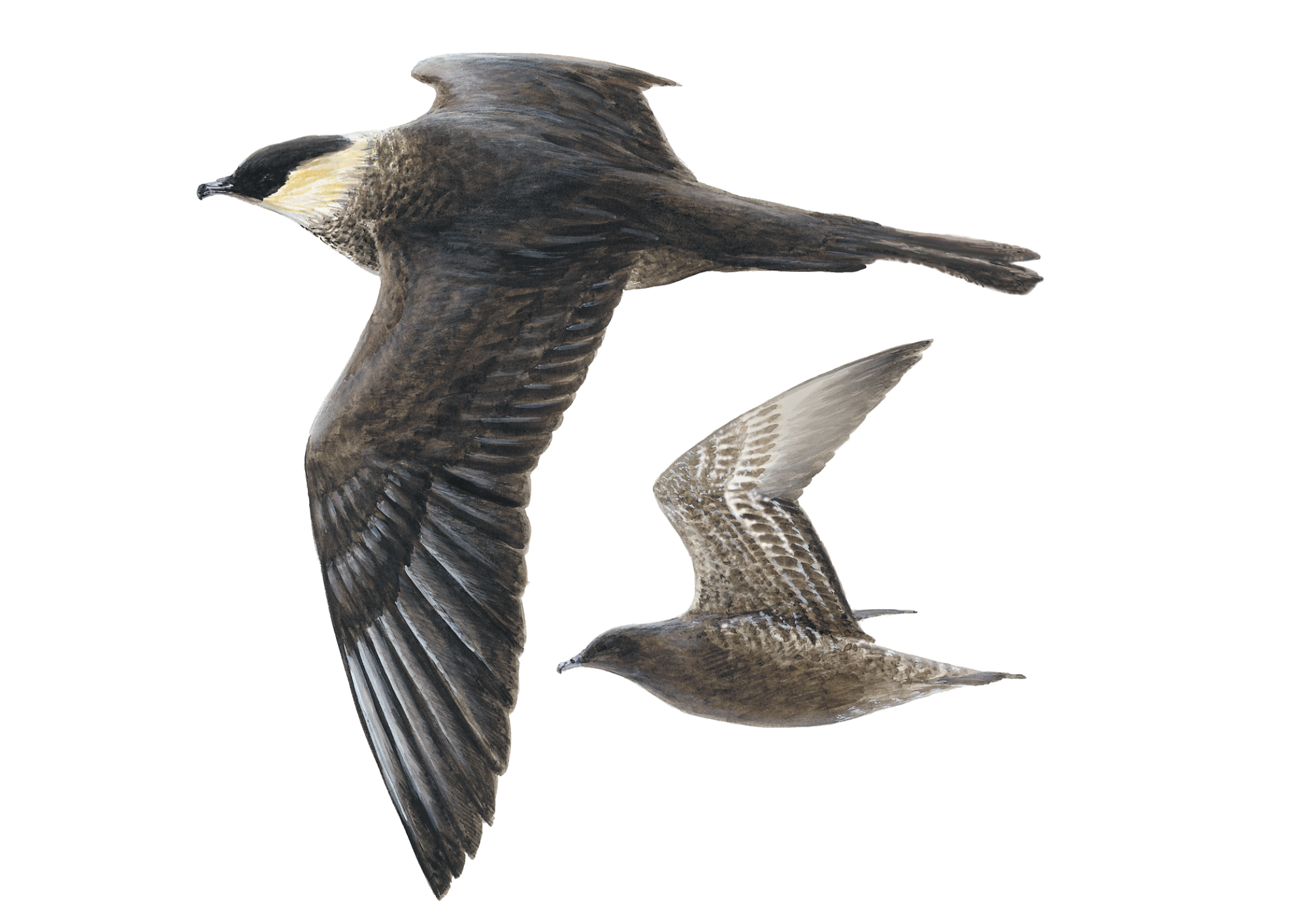
Arctic Skua
The Arctic Skua is a powerful seabird with dark brown plumage, a pale underside, and long, pointed wings. Known for its fast and agile flight, it often chases other seabirds to steal their food. Arctic Skuas return each summer to Iceland to nest on open coastal areas, moorlands, and tundra.
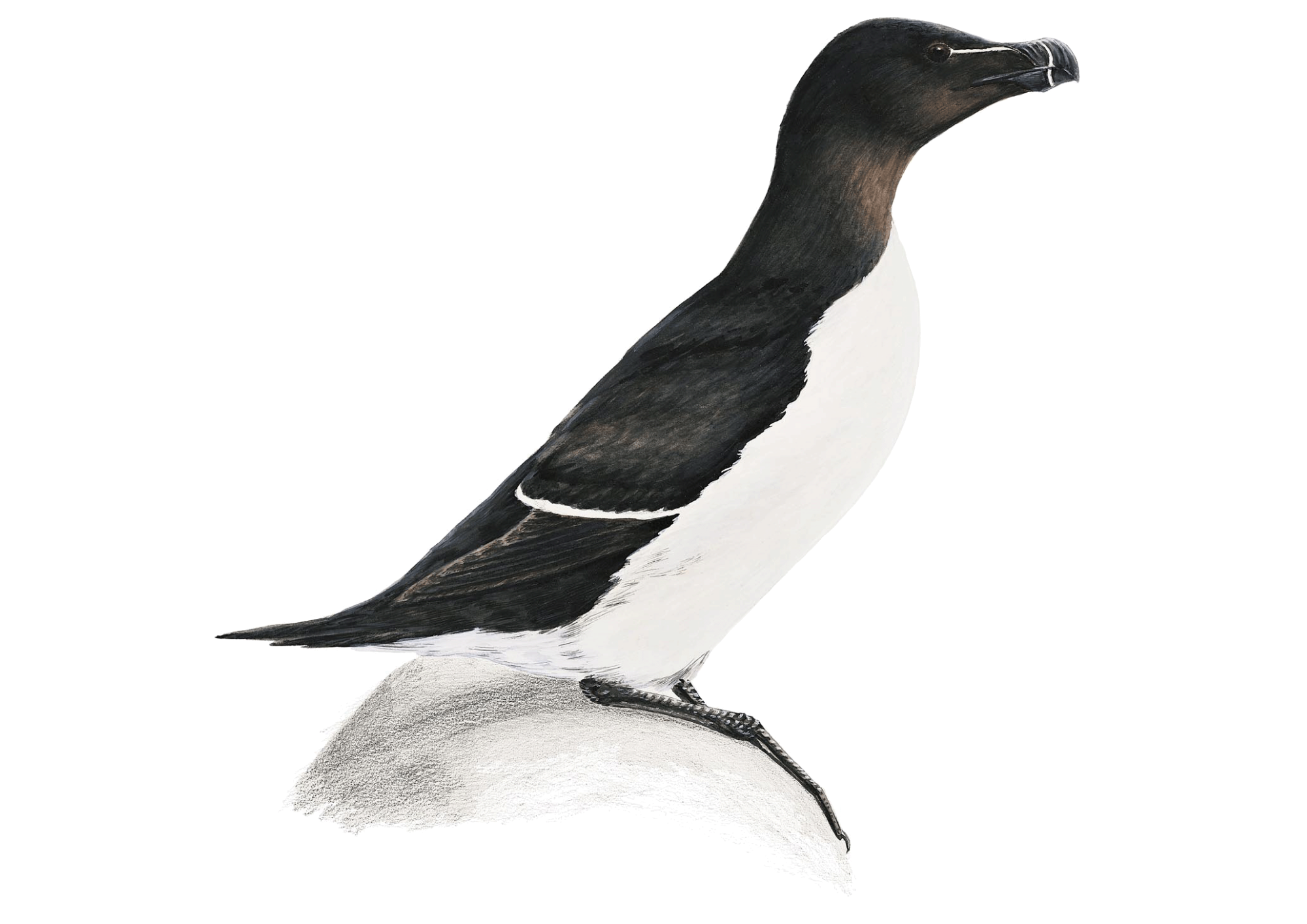
Razorbill
The Razorbill is a striking seabird with sleek black-and-white plumage, a thick black bill marked with a white line, and a distinctive white patch on its face. An excellent swimmer and diver, it spends much of its life at sea, feeding on fish and other marine creatures. Iceland is an important breeding ground, where Razorbills return each summer to nest on rocky cliffs and coastal islands.
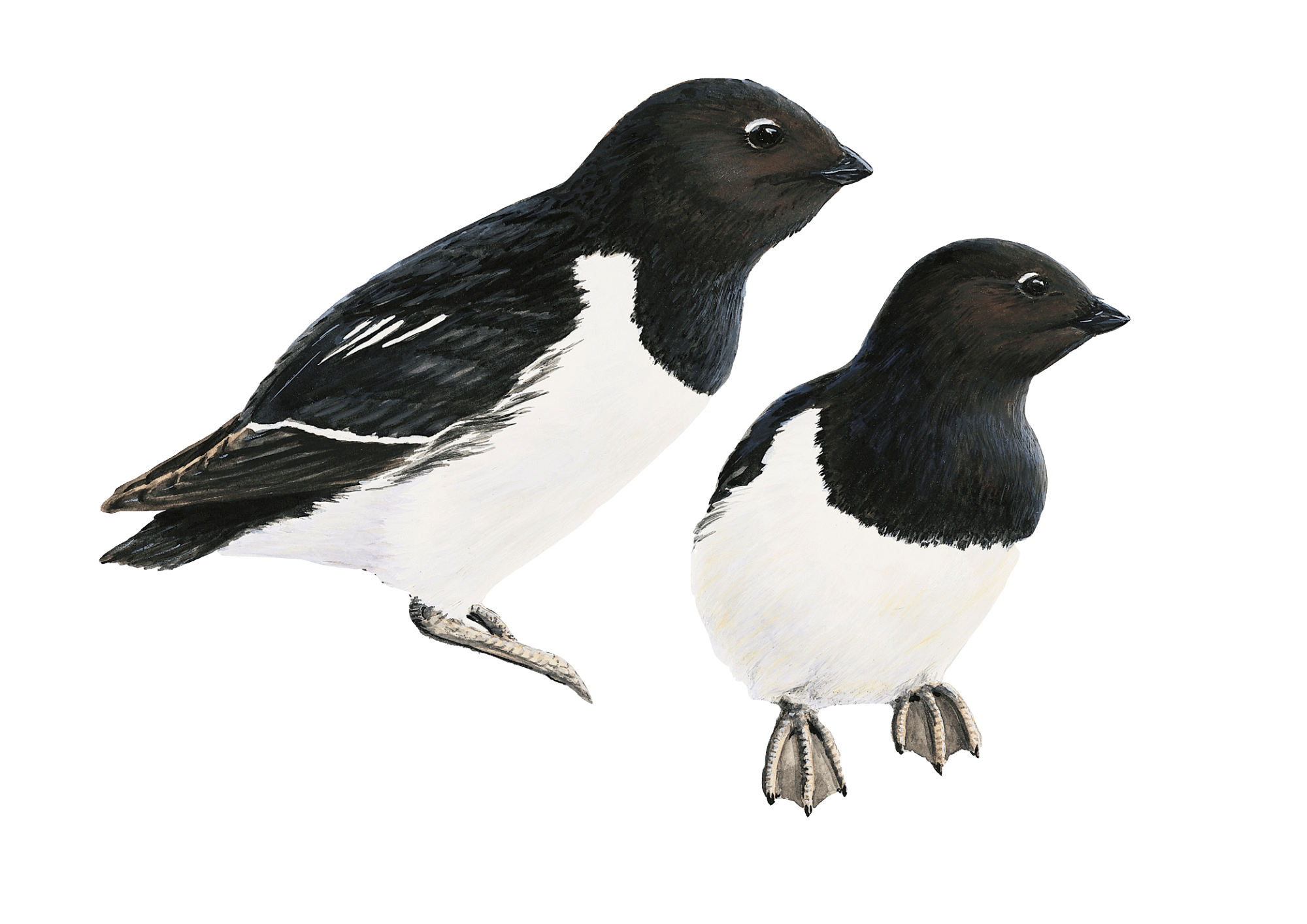
Little Auk
The Little Auk is a small, compact seabird with black-and-white plumage, a short neck, and a tiny black bill. An excellent swimmer and diver, it spends most of its life at sea, feeding on small fish and tiny marine creatures. Iceland is an important breeding ground, where Little Auks return each summer to nest among rocky cliffs and steep coastal slopes.
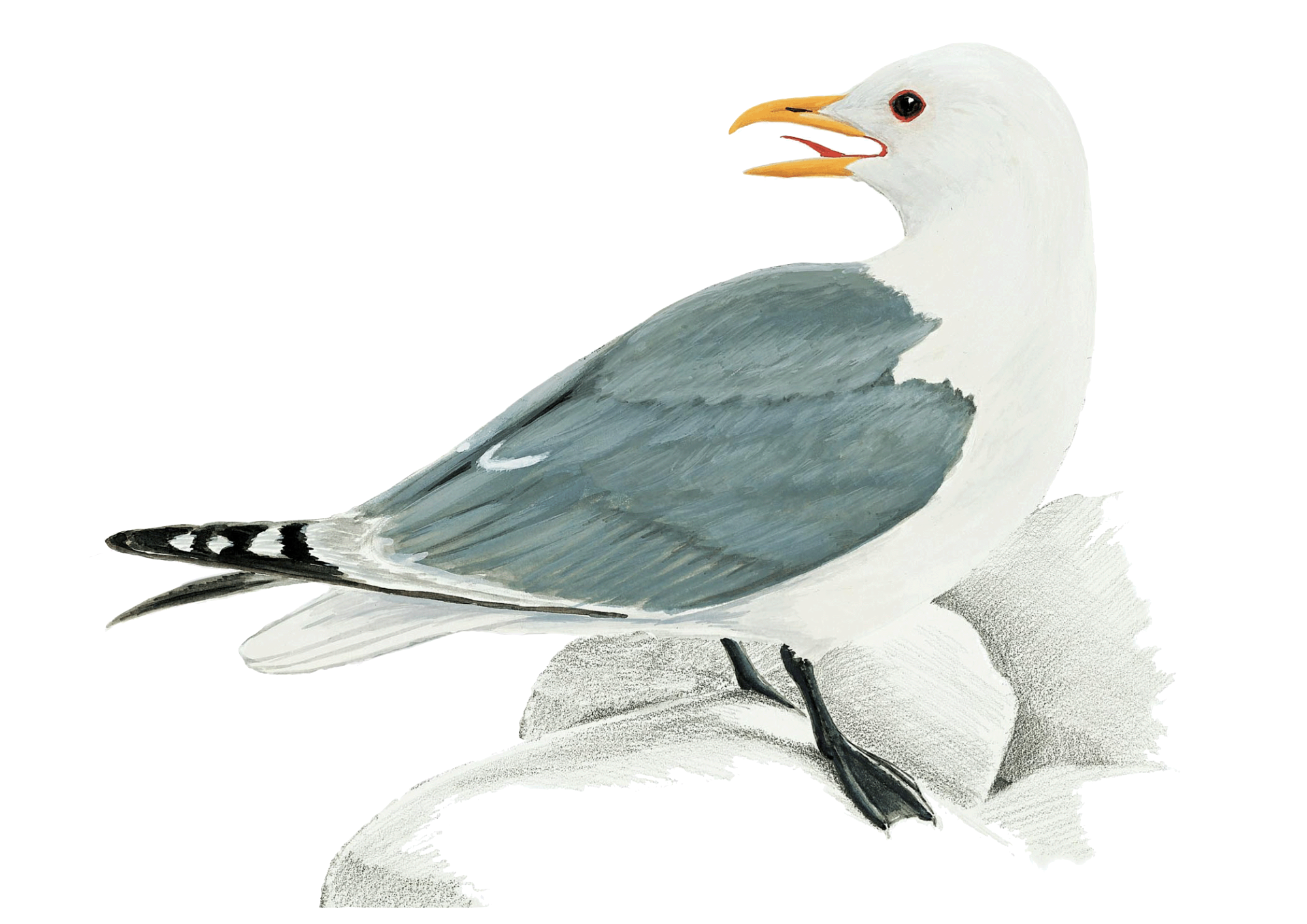
Black-Legged Kittiwake
The Black-legged Kittiwake is a graceful seabird with pale grey wings, a white body, a yellow bill, and distinctive black wing tips. Often seen soaring over the sea, it feeds on fish and small marine creatures and nests in large colonies on rocky cliffs. Kittiwakes breed in Iceland each summer and raise their young along the country’s rugged coasts.
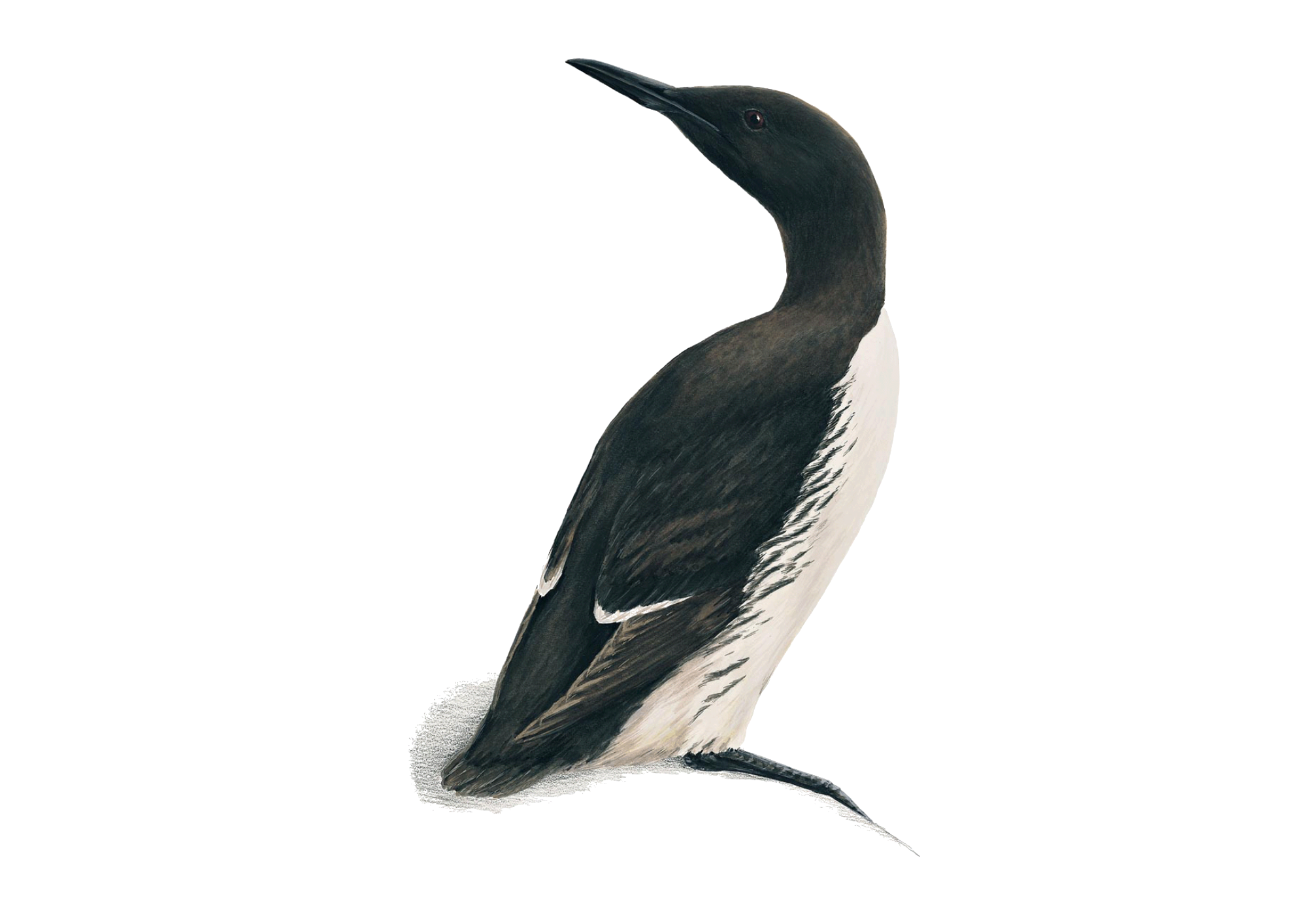
Common Guillemot
The Common Guillemot is a slender seabird with dark brown to black plumage, a white belly, and a long, pointed bill. An excellent swimmer and diver, it spends much of its life at sea, diving underwater to catch fish and other marine creatures. Common Guillemots nest in large colonies on steep, rocky cliffs of Iceland.
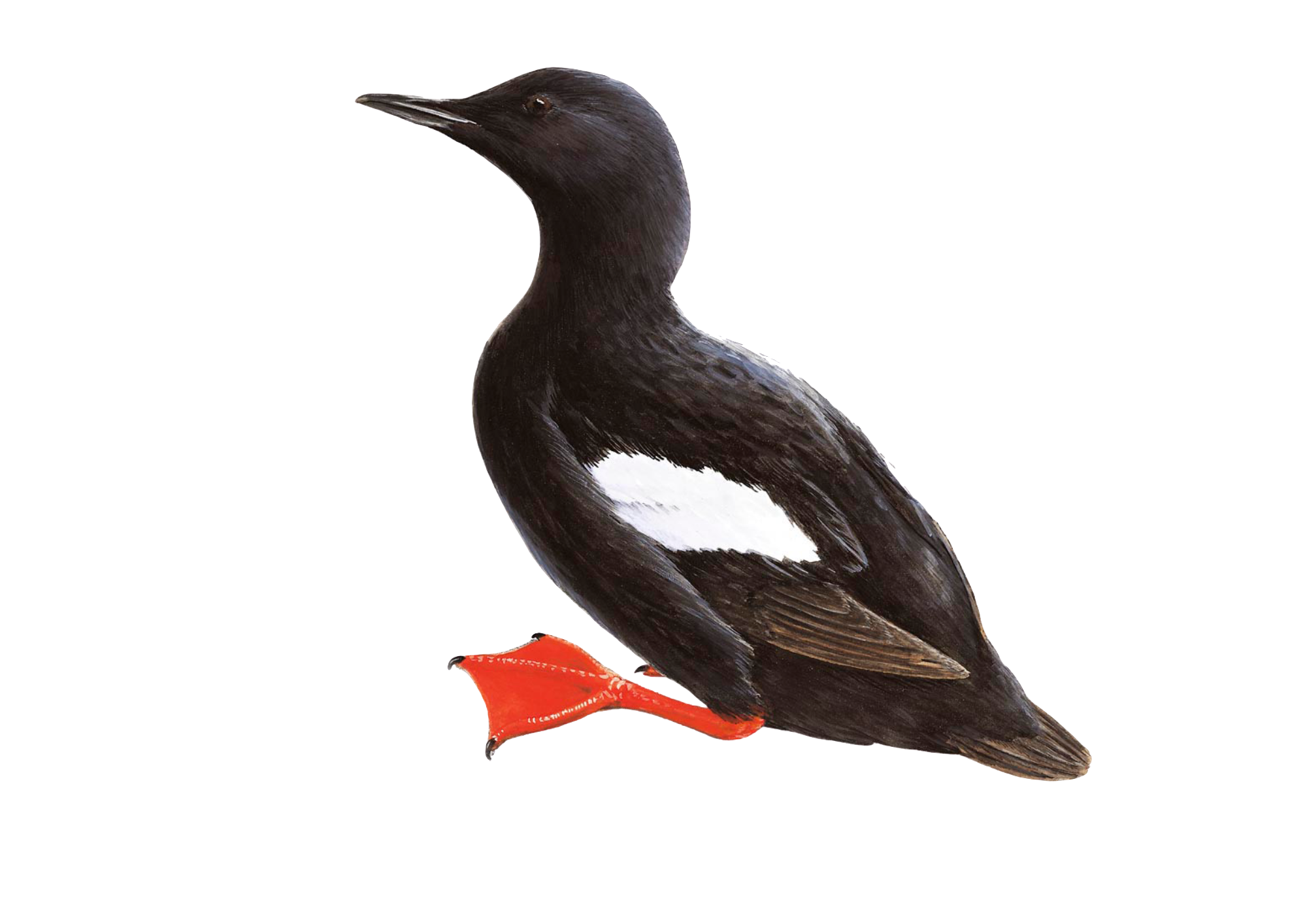
Black Guillemot
The Black Guillemot is a small, striking seabird with dark plumage, bright white wing patches, and vivid red legs and feet. An excellent swimmer and diver, it spends much of its time along rocky coasts, searching underwater for small fish and other marine creatures. Black Guillemots nest in rocky crevices and sheltered coastal areas of Iceland during summer.
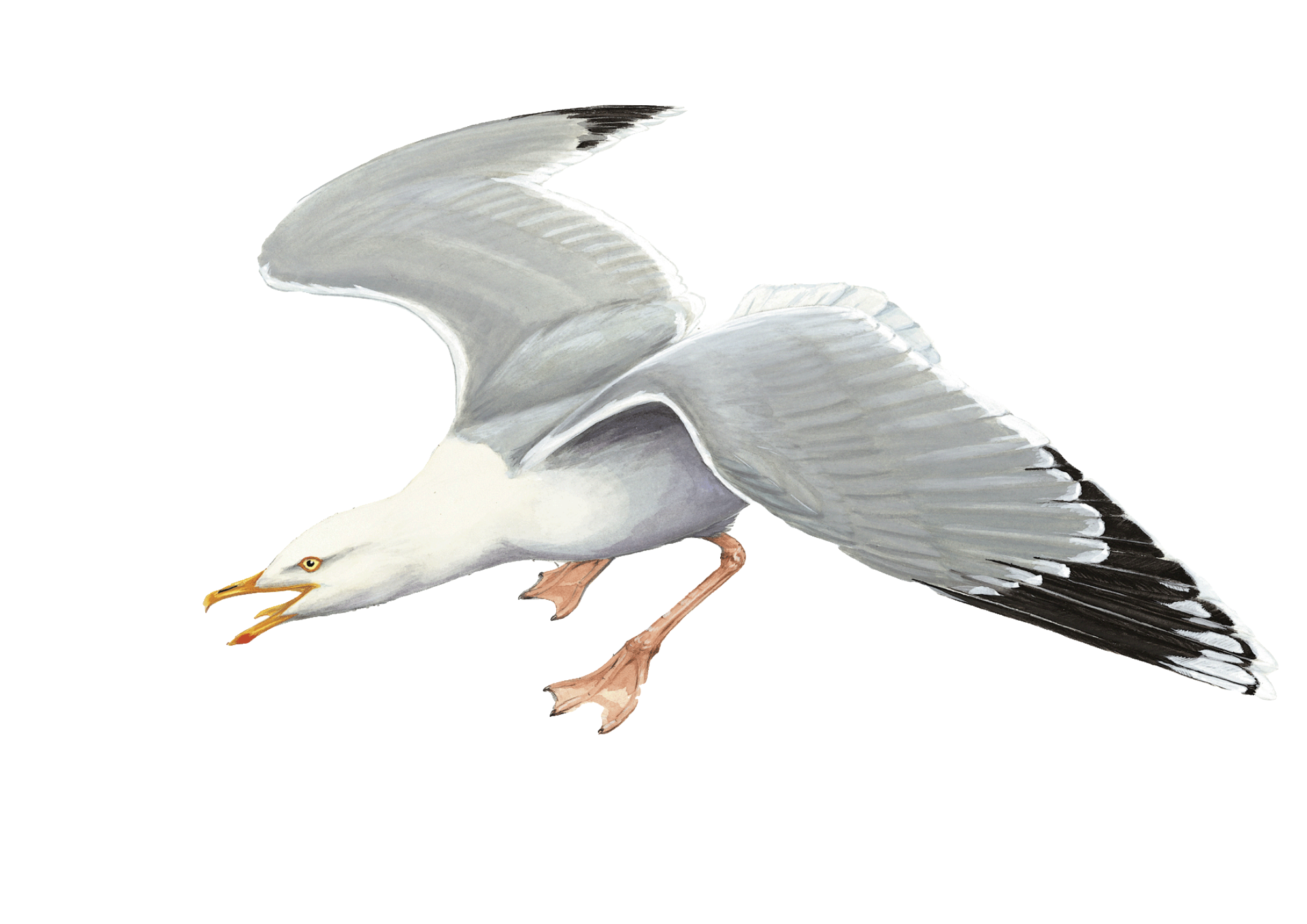
European Herring Gull
The Herring Gull is a large, familiar seabird with pale grey wings, a white body, yellow eyes, and a yellow bill marked with a red spot. An adaptable bird, it can be found along rocky coasts, beaches, and harbours, feeding on fish, marine creatures, and a wide variety of other foods. Herring Gulls return each summer to Iceland to nest along the country’s coasts, cliffs, and islands.
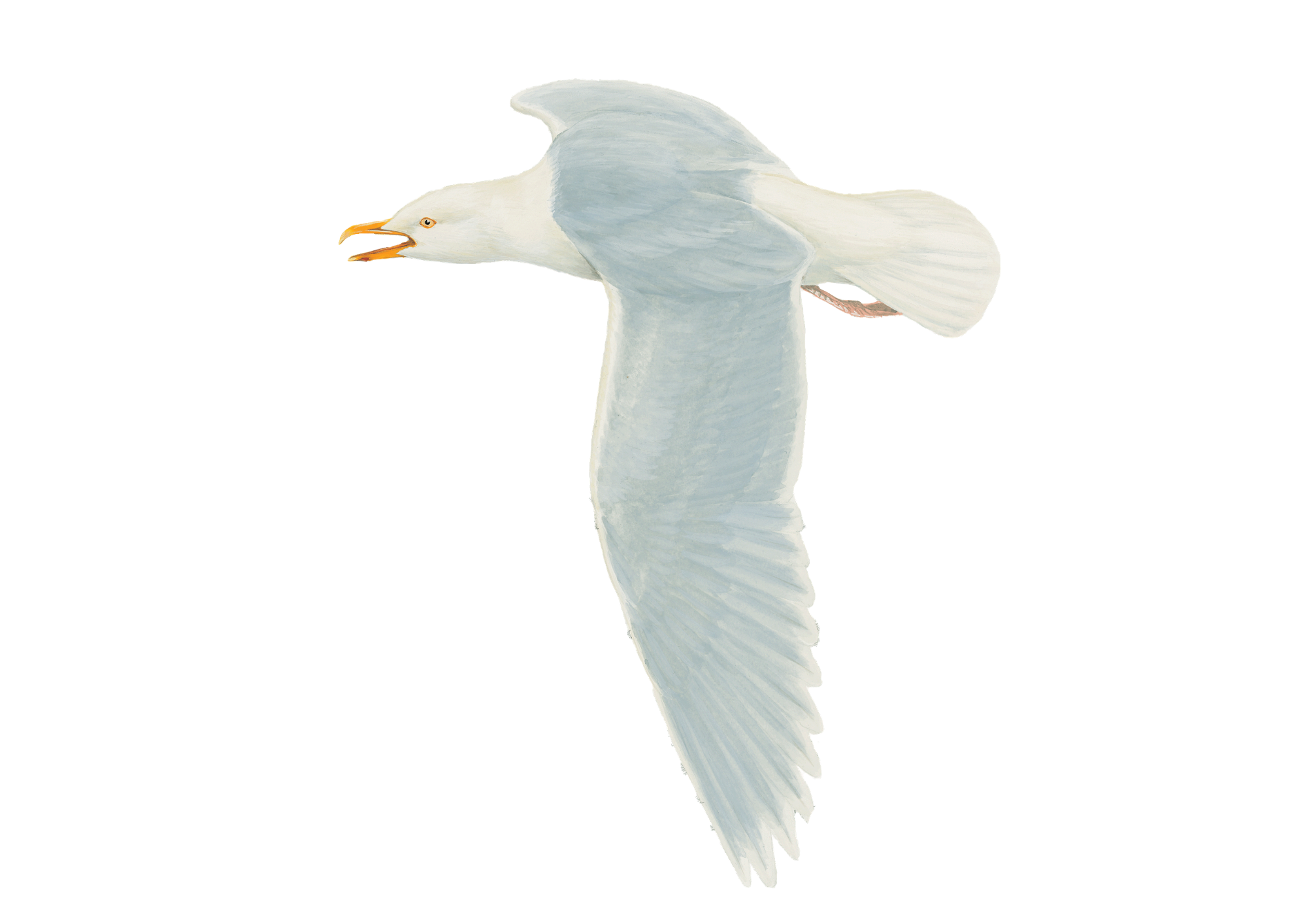
Glaucous Gull
The Glaucous Gull is a large, pale seabird with white plumage, a thick yellow bill with a red spot, and pale pink legs. Unlike many other gulls, it has no black markings on its wingtips, giving it a clean, almost entirely white appearance. Glaucous Gulls nest along Iceland's rocky coasts, cliffs, and islands, especially in the north and west of the country.
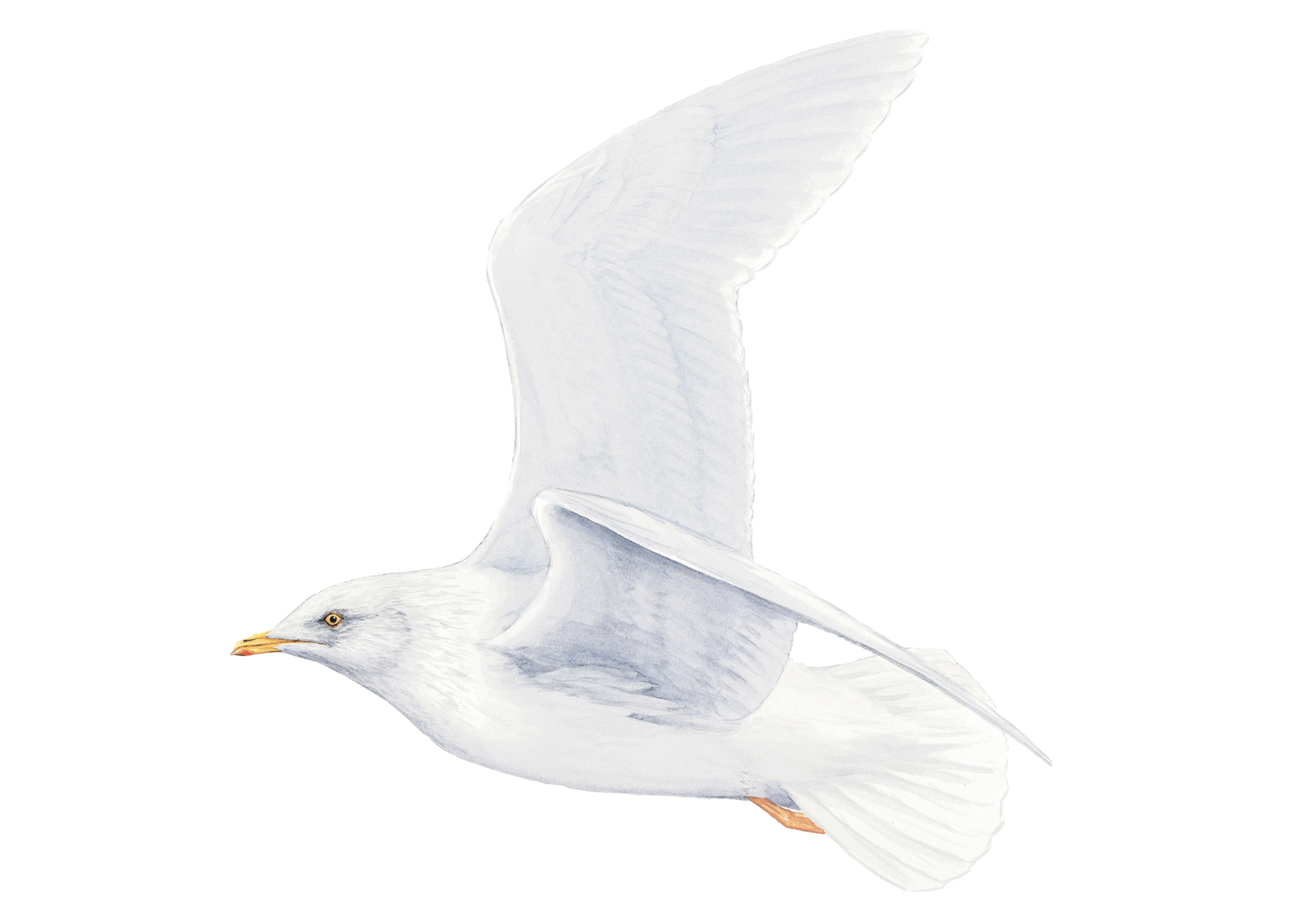
Iceland Gull
The Iceland Gull is a medium-sized seabird with pale grey wings, a white body, and a yellow bill. Its wingtips are white rather than black, giving it a clean and pale appearance. Often found along rocky coasts and near harbours, it feeds on fish, marine creatures, and scraps of food. Iceland is an important wintering area for Iceland Gulls, where they can be seen along the country’s coasts and sheltered bays.
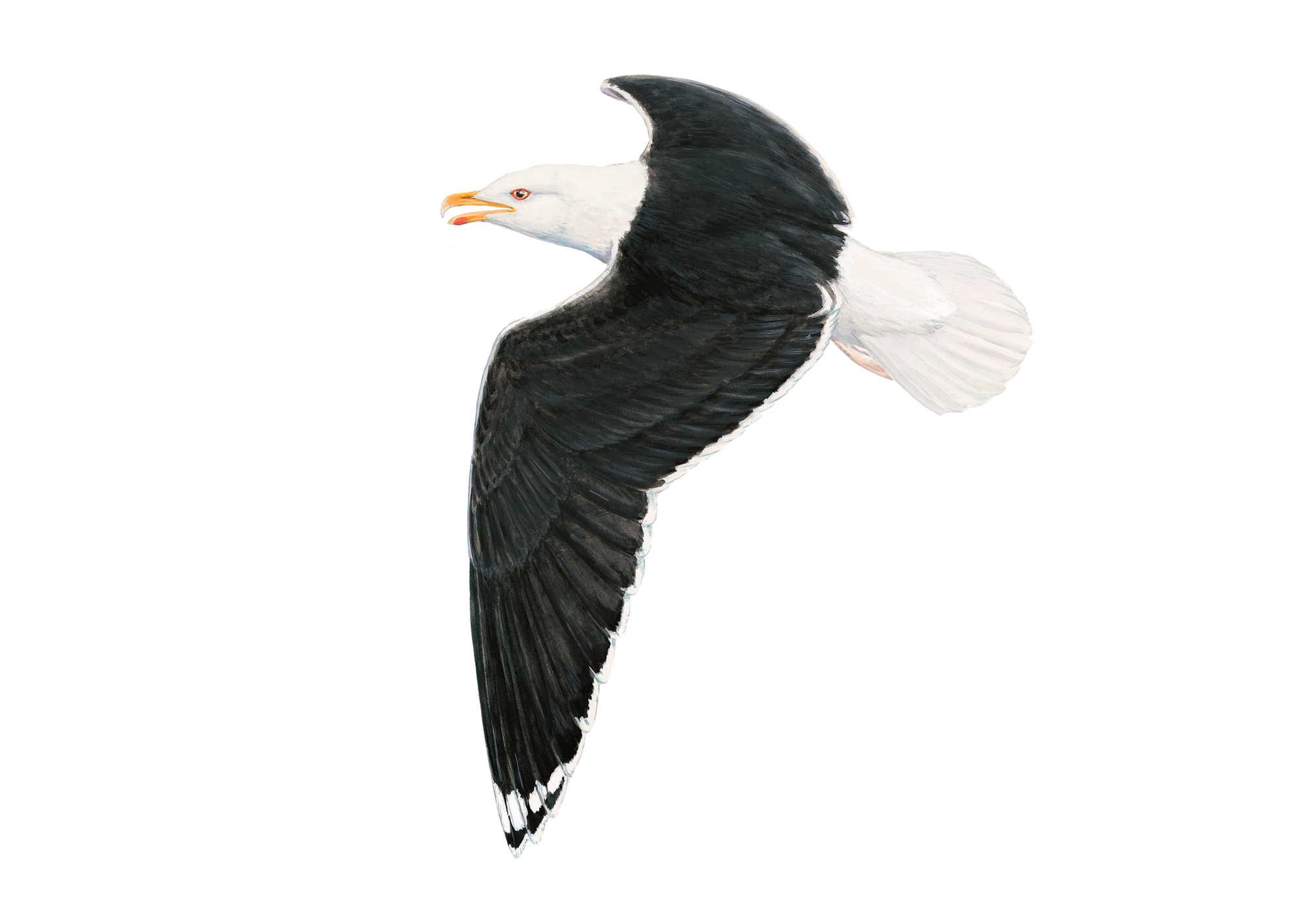
Great Black Backed Gull
The Great Black-backed Gull is a large and powerful seabird with a white body, dark black wings and back, a yellow bill marked with a red spot, and pale pink legs. One of the largest gulls in the world, it is a strong predator that feeds on fish, seabirds, eggs, and a variety of other foods. In Iceland, they nest along rocky coasts, cliffs, islands, and wetlands.